 +91-7889218355

 SCO 7 , First Floor, Gold Homes Sector 116 Sahibzada Ajit Singh Nagar, Punjab 140307 India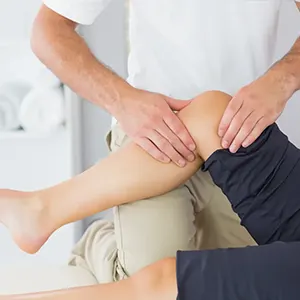
Sports Injury Management Therapy
Sports injury management is a focused physiotherapy service for athletes, fitness enthusiasts, and active individuals who want to recover safely and return to movement with confidence. At the clinic of Dr. Taranpreet Singh Sohi, every program begins with a clear understanding of how the injury happened, which tissues are involved, and what level of activity the patient needs to regain.
The goal is not only to reduce pain, but to rebuild strength, control, mobility, and performance. Using evidence-based physiotherapy, manual therapy, therapeutic exercise, and movement correction, we help patients recover from sport-related injuries while reducing the chance of repeat setbacks.
Conditions We Commonly Treat
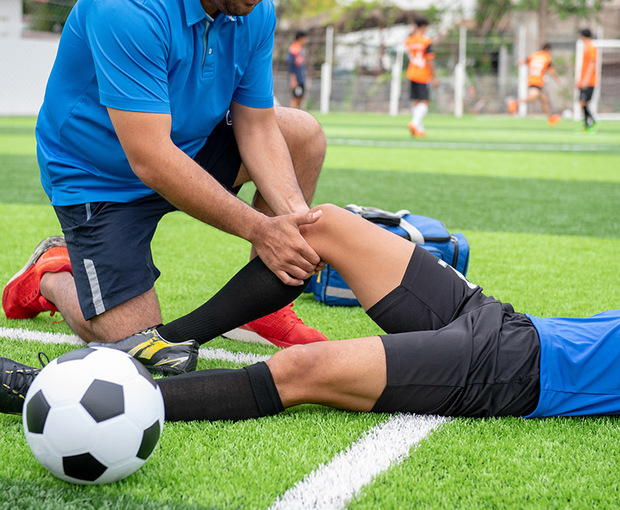
Sports injuries can affect muscles, ligaments, tendons, and joints in very different ways. Treatment is tailored to the specific structure involved, the severity of the injury, and the demands of the sport or training routine.
- Sprains and strains caused by sudden twisting, overstretching, or impact
- Ligament injuries affecting the ankle, knee, shoulder, or other active joints
- Muscle tears that limit speed, strength, and controlled movement
- Joint injuries with stiffness, instability, or painful loading
- Overuse injuries linked to repetitive training, poor mechanics, or inadequate recovery
Signs You Need Treatment
Early treatment helps prevent minor problems from becoming longer recovery issues. If sport or exercise is becoming painful or less controlled, a physiotherapy assessment can identify the cause and guide the next step.
- Pain during movement, running, jumping, lifting, or changing direction
- Swelling after activity or around an injured muscle, tendon, or joint
- Reduced mobility that affects flexibility, stride, or technique
- Weakness, instability, or loss of confidence during sport-specific tasks
Our Approach to Injury Recovery
Recovery is progressed step by step so the body is prepared for real activity, not just day-to-day comfort. Dr. Taranpreet Singh Sohi combines strong clinical training with hands-on internship exposure at Max multi-specialist Hospital, Mohali, to deliver structured rehabilitation that matches the patient's sport, fitness level, and recovery goals.
- Detailed injury assessment with movement analysis and functional testing
- Personalized rehabilitation plans based on symptoms, sport demands, and recovery stage
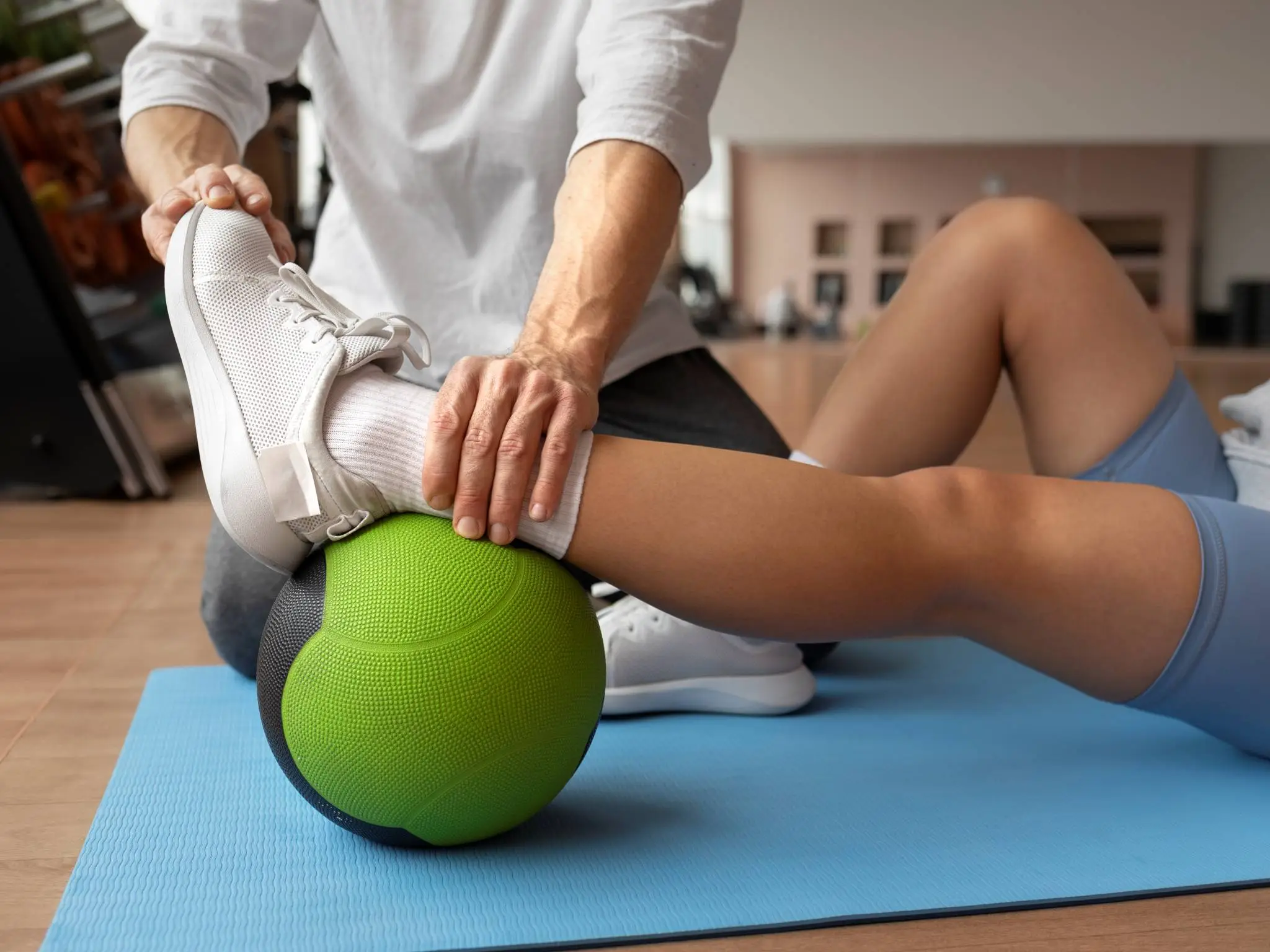
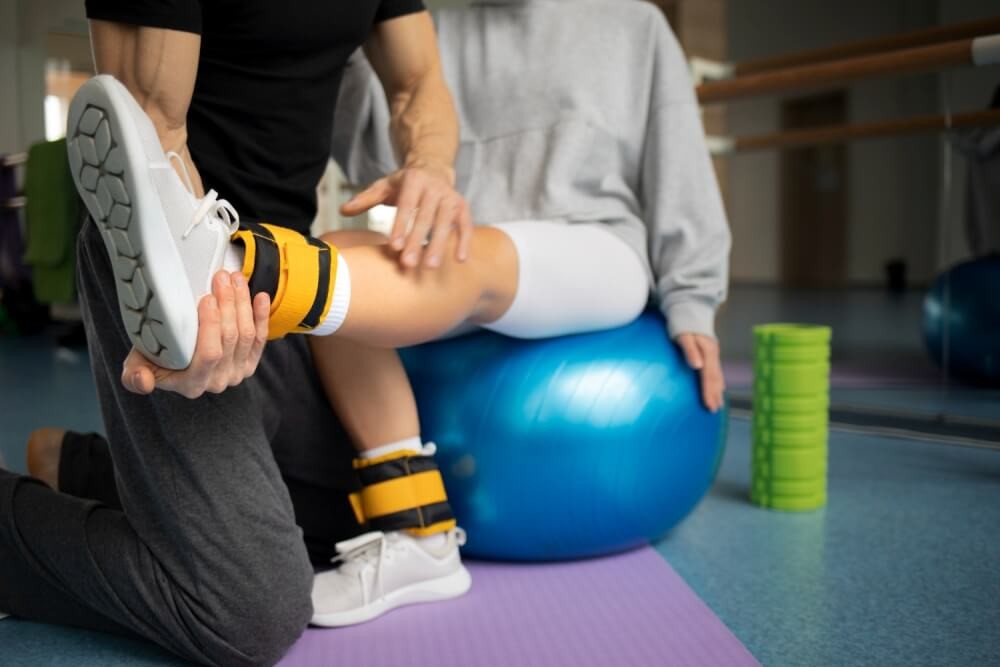
- Strength and conditioning exercises to rebuild control, endurance, and power
- Manual therapy, electrotherapy, and therapeutic exercise to reduce pain and improve tissue function
- Return-to-sport progression with load management, confidence building, and performance preparation
Benefits of Structured Sports Rehabilitation
A structured physiotherapy plan does more than settle symptoms. It helps active patients recover well, move better, and train with more confidence after injury.
- Faster recovery through targeted treatment and guided exercise progression
- Better injury prevention by correcting weakness, imbalance, and movement faults
- Improved performance through stronger mechanics and safer return to training
- Strength restoration that supports sport, fitness, and long-term joint health
Why Choose Us for Sports Injury Management
Dr. Taranpreet Singh Sohi is a licensed physiotherapist with a Doctor of Physiotherapy degree and hands-on clinical experience across musculoskeletal, neurological, cardiopulmonary, and post-operative care. His sports rehabilitation skill set is supported by training in manual therapy, exercise prescription, electrotherapy, gait work, and the Bellia System Kinesiologico Taping Method, along with workshop exposure in sports injury rehabilitation. Patients receive attentive assessment, individualized planning, clear guidance, and a practical recovery strategy designed to restore movement, protect performance, and support a safe return to activity.
Frequently Asked Questions
Patients recovering from sports injuries often want to know how treatment works, when they can return to activity, and how to avoid getting hurt again. These are common questions we address during sports injury management sessions.
The assessment includes a review of symptoms, injury history, movement testing, joint and muscle examination, and analysis of how the injury affects training, sport, and daily function. This helps us design a personalized treatment plan from the first visit.
Yes. Treatment focuses on protecting the injured area while keeping the rest of the body active through safe exercise modification, progressive strengthening, and sport-aware rehabilitation planning.
No. Sports injury management is useful for recreational athletes, gym members, runners, students, and anyone whose injury is affecting exercise, training, or an active lifestyle.
Return to sport depends on pain control, mobility, strength, movement quality, and the ability to handle sport-specific demands. We progress patients through rehabilitation so return is based on readiness rather than guesswork.
We identify movement faults, strength deficits, mobility restrictions, and training overload patterns, then use corrective exercise, education, and progressive conditioning to lower the risk of reinjury.